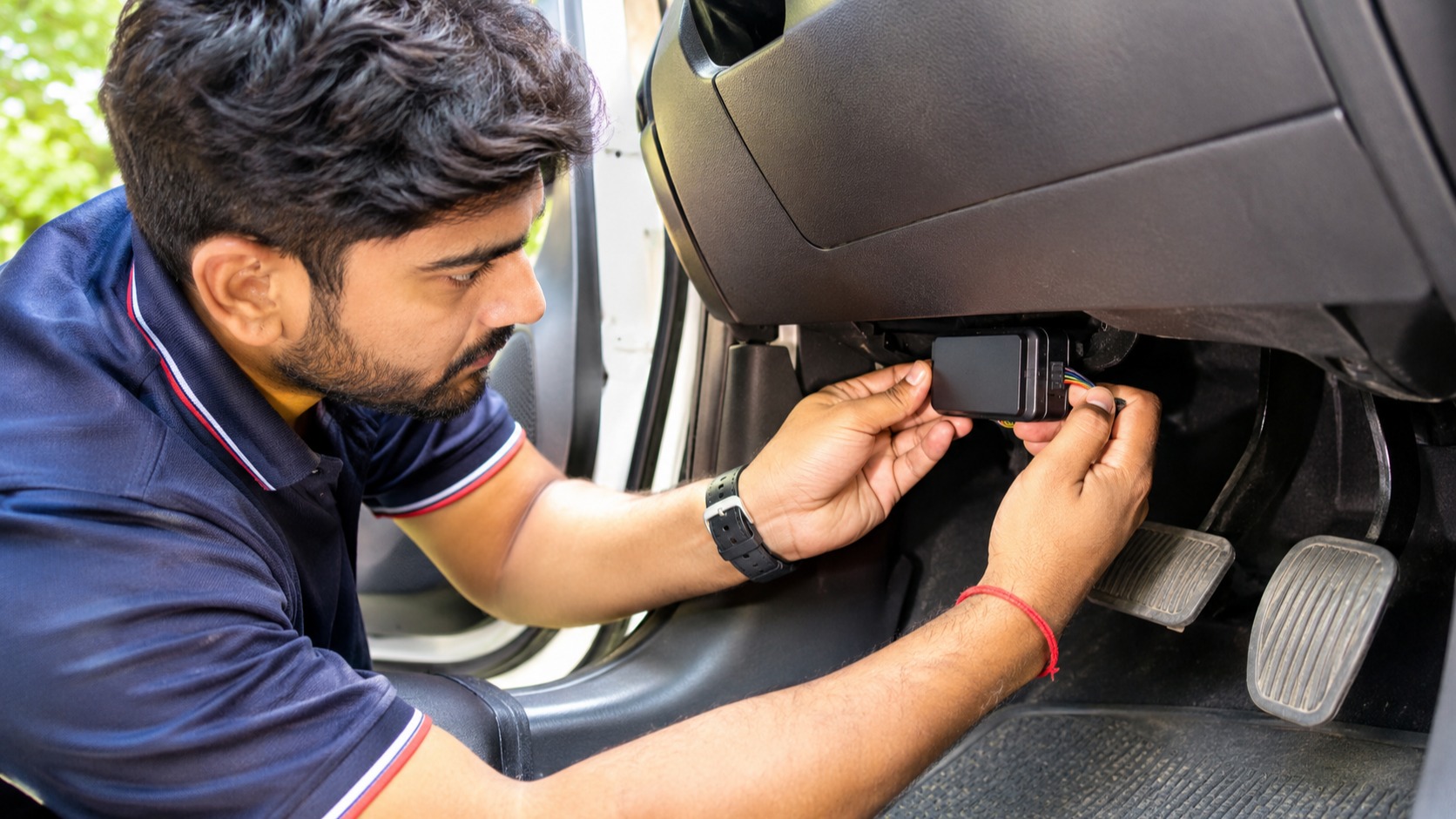

Most fleet owners can tell you what their newest truck cost. Far fewer can say what their least-watched vehicle costs them every month. The vehicle that never shows up on any report is often the one quietly draining money, and it rarely announces itself.
Why the cheapest vehicle can become the most expensive
Every fleet has one. It might be an older van, a spare school bus, a pickup used "only for local runs", or a vehicle managed by a trusted driver for years. Because nothing seems wrong, nobody looks closely.
The trouble is that untracked vehicles have no data trail. When fuel is higher than expected or a trip takes longer than planned, you have no way to check what happened. You are left to rely on memory, verbal updates and guesswork.
An untracked vehicle also sets a quiet precedent. Drivers of tracked vehicles notice when one colleague is not monitored, and the fairness of your entire system can suffer.
The hidden costs you may not be counting
The invoice for a vehicle never lists the real cost of not knowing. These losses tend to be spread across many small items, which makes them easy to overlook.
Fuel and idling
Fuel is usually the largest running cost. Without data, you cannot separate genuine consumption from long idling, detours or unauthorised use. Even a small difference per trip adds up over a year across many trips.
Unauthorised and personal use
Extra kilometres on weekends, short private trips and unplanned stops are hard to prove and easy to deny. Tracking data does not assume bad intent. It simply gives both owner and driver a shared, factual record.
Maintenance surprises
Servicing based on guesswork often means either too early or too late. Missed service intervals can lead to breakdowns, which cost far more than planned maintenance.
Delays, disputes and lost trust
If a customer asks where a delivery is, "the driver says he is on the way" is a weak answer. For school transport, parents expect clear information about where a bus is, and the stakes are much higher than a late parcel.
Untracked versus tracked: a simple comparison
The difference is less about technology and more about what you are able to know and prove.
Question you may face | Untracked vehicle | Tracked vehicle |
|---|---|---|
Where is the vehicle right now? | Phone call and trust | Live location on a map |
Why is fuel use high? | Guesswork | Trip, idling and stop history |
Did the driver follow the route? | Unknown | Route and timing records |
When is service really due? | Estimated | Based on actual distance run |
How do you settle a dispute? | One word against another | Time-stamped records |
Tracking does not remove every problem. GPS readings can be affected by signal conditions such as tunnels, dense buildings and weak coverage, so treat the data as a strong guide rather than a perfect record.
Which vehicles are most likely to be overlooked
Some vehicles slip through more easily than others. Review your fleet honestly against this list:
• Older vehicles that are "too old to bother with"
• Spare or standby vehicles used occasionally
• Vehicles assigned to one long-serving driver
• Owner-driven or supervisor vehicles
• Vehicles on short local routes that seem low risk
• Contract or hired vehicles working under your name
Key tip: Do not start with your newest vehicle. Start with the one you know least about, because that is where missing information costs the most.
Compliance: a risk that goes with visibility
For many commercial vehicles in India, tracking is not only a business choice. Rules around devices such as AIS 140 apply to certain categories, including some public transport and passenger vehicles, and requirements differ by state and vehicle type. If a vehicle in your fleet falls into a regulated category and is not equipped properly, you may face penalties or permit problems.
Check the current rules for your vehicle type and state with the transport authority or a qualified adviser before you decide anything. Our FAQs cover common questions, and our industries we serve page explains how needs differ between sectors.
How to close the visibility gap
You do not need to overhaul everything at once. A practical approach looks like this:
1. List every vehicle, including spares and contract vehicles, and note who uses each one.
2. Mark the gaps where you have no location, fuel or usage data.
3. Rank by risk and cost, such as high mileage, passenger use or regulated category.
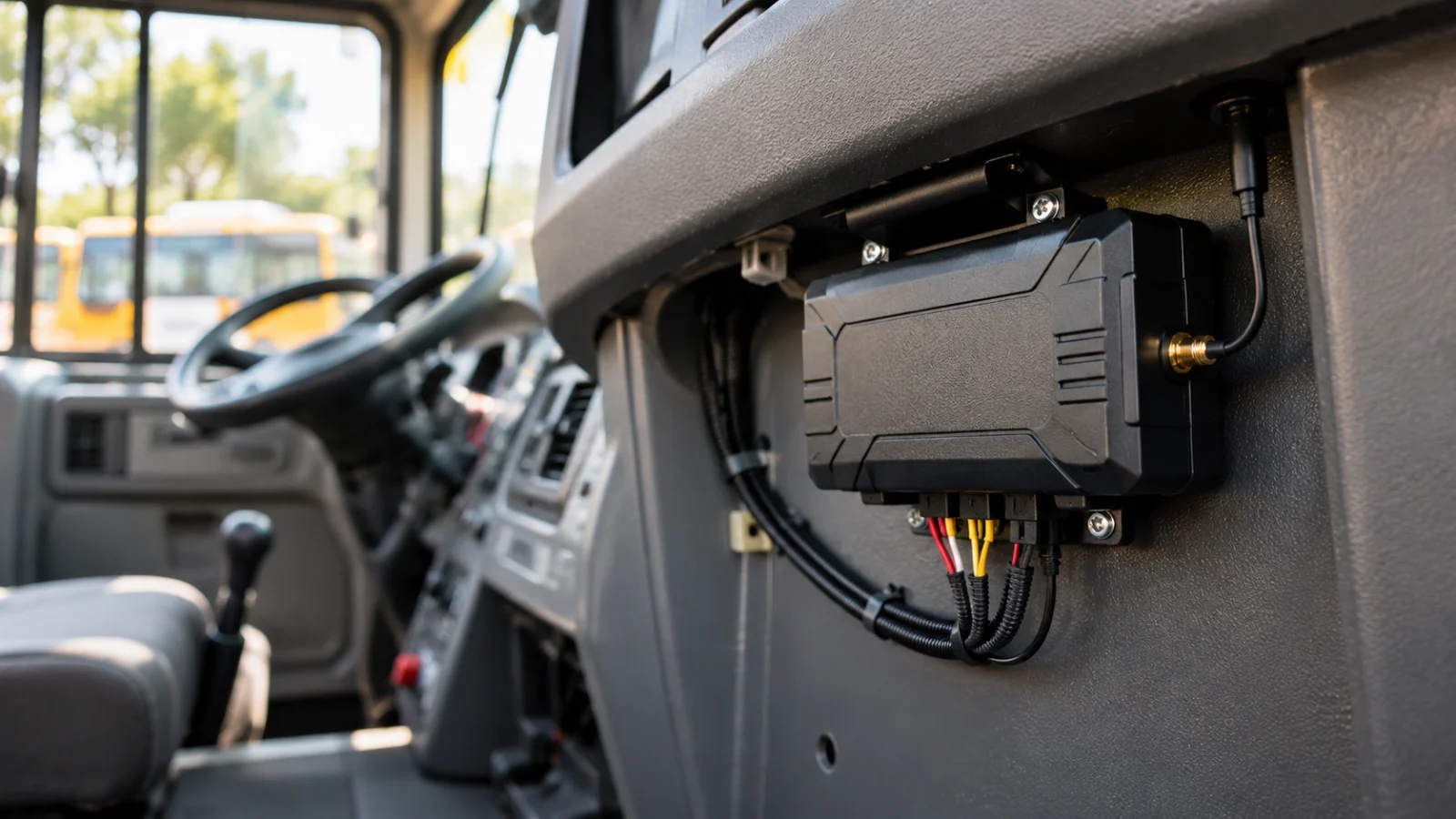
4. Choose suitable GPS hardware for each vehicle type and operating condition.
5. Set clear alerts and reports in your software solutions, focusing on a few useful signals rather than everything.
6. Tell your drivers early, explain what is tracked and why, and agree how the data will be used.
Handled openly, tracking tends to be accepted far more easily than when it is introduced quietly.
Next steps
Take ten minutes this week to list your vehicles and mark the ones you cannot currently see. That short list is often the most useful fleet report you will read this year. When you are ready to talk through options for those vehicles, get a free quote and our team will help you choose a setup that fits your fleet and budget.
Talk to GPS Clinic
GPS Clinic offers 2G and 4G GPS trackers, AIS-140 devices, OBD and personal trackers, fleet tracking software, fuel monitoring, tractor and harvester tracking, e-locks and dashcams.
Call or WhatsApp: +91 92602 02020 or message us on WhatsApp
Website: www.gpsclinic.co.in
Smart Tracking. Stronger Security.